
Building Your Professional Network in Japan

In Japan, career growth is as much about who you know as what you know. While skills and qualifications are important, strong professional relationships can open doors to new opportunities, industry insights, and long-term collaborations. For foreign professionals, understanding how to build a network in Japan requires a mix of cultural awareness, communication skills, and strategic effort. Understanding Networking in a Japanese Context In many Western countries, networking often happens through casual, direct conversations at events. In Japan, however, relationships tend to develop gradually and are built on trust over time. First impressions matter, but the real strength of a network comes from consistent, respectful interaction. Building rapport might require […]
Attending Career Fairs and Job Seminars as a Foreigner in Japan

For foreigners seeking employment in Japan, career fairs and job seminars can be valuable entry points into the job market. These events offer more than just a chance to submit your resume; they are opportunities to engage directly with companies, better understand expectations, and build connections that can lead to future opportunities. Why Career Fairs Matter Japan’s recruitment culture still heavily values in-person interaction, even as online applications become more common. Career fairs allow job seekers to make an impression beyond a paper CV. For foreigners, these events also offer a chance to assess how open a company might be to hiring non-Japanese staff. Many job fairs in Japan are […]
Working in Japan This Summer? Here’s the Business Etiquette You Might Not Expect
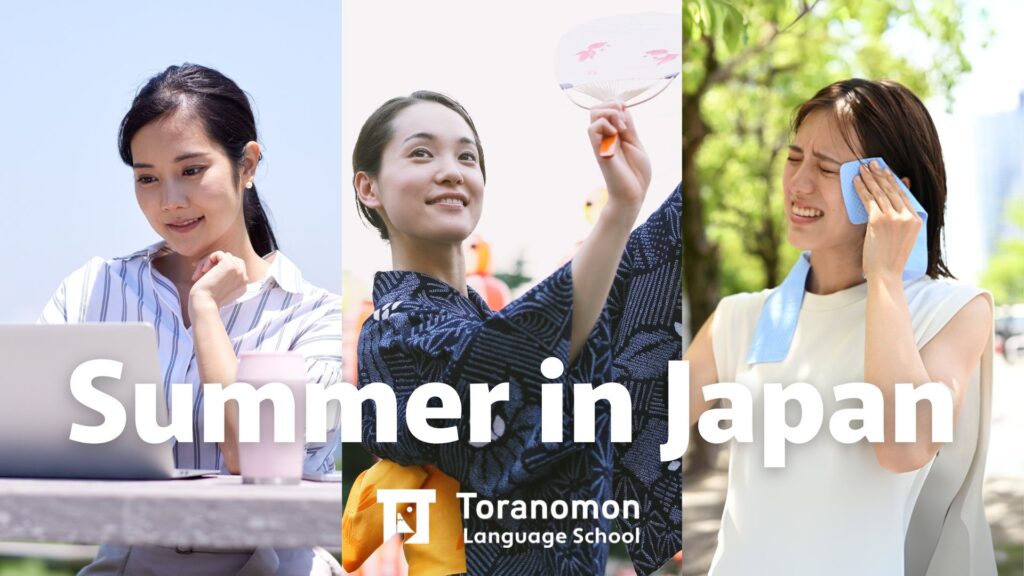
If this is your first summer working in Japan, you might find that the season brings more than just heat, it also introduces a unique set of customs and business norms that might be unfamiliar at first. Understanding these seasonal shifts can help you blend into the workplace more smoothly and avoid misunderstandings. Here’s what to expect and how to prepare when navigating Japanese work culture during the summer. The “Cool Biz” Culture One of the first things you’ll notice when temperatures rise is that business attire starts to change. Japan’s government encourages companies to adopt a “Cool Biz” dress code between May and October. This means you’ll likely see […]
Survival Japanese: How to Survive Your First Month in Japan

The first month of living in Japan is often described as magical, disorienting, and overwhelming—all at the same time. You’re surrounded by a new culture, a new language, and an entirely different way of moving through the world. Even simple things like buying toothpaste, ordering lunch, or taking the train can become daily puzzles. And without a grasp of the language, many people find that everyday life becomes a series of quiet frustrations. You land, you get your residence card, and maybe you’ve even memorized a few greetings or practiced your hiragana. But then the real-life moments hit. You’re handed a form at the ward office with no English support. […]
Japanese Honorifics -The 3 Types and How to Use Them-

Sonkeigo (尊敬語) — Respectful Language to Elevate OthersSonkeigo raises the status of the person you’re speaking to or about. It’s used for superiors, clients, or strangers. For example, “言う (say)” becomes “おっしゃる,” and “行く (go)” becomes “いらっしゃる.” In business, you might say, “部長がご覧になる” (The manager will look at it). Misusing sonkeigo can seem rude, so it’s crucial in formal settings. Kenjōgo (謙譲語) — Humble Language to Lower YourselfKenjōgo humbles yourself or your in-group to show respect. For example, “言う (say)” becomes “申す,” and “もらう (receive)” becomes “いただく.” In business, you’d say, “私が伺います” (I will go) or “資料を拝見しました” (I reviewed the document). This reflects Japanese culture’s emphasis on modesty. Teineigo (丁寧語) […]
5 Things to do in Tokyo

Tokyo is a captivating city where tradition and modernity blend seamlessly. While skyscrapers dominate the skyline, serene gardens and historic shrines offer a peaceful escape. In this article, we’ll explore five must-visit spots in Tokyo: Shinjuku Gyoen, Meiji Jingu, Tokyo Tower, Shibuya Sky, and Shibuya Scramble Crossing. From nature and culture to breathtaking views and urban energy, these places will make your trip unforgettable. Shinjuku Gyoen is a stunning garden often called an oasis in the city. The vast grounds feature three distinct garden styles: Japanese traditional, French formal, and English landscape. Each season brings new beauty, with cherry blossoms in spring and vibrant foliage in autumn being particularly breathtaking. […]
Explore Tokyo’s Zojoji Temple Through Hanami
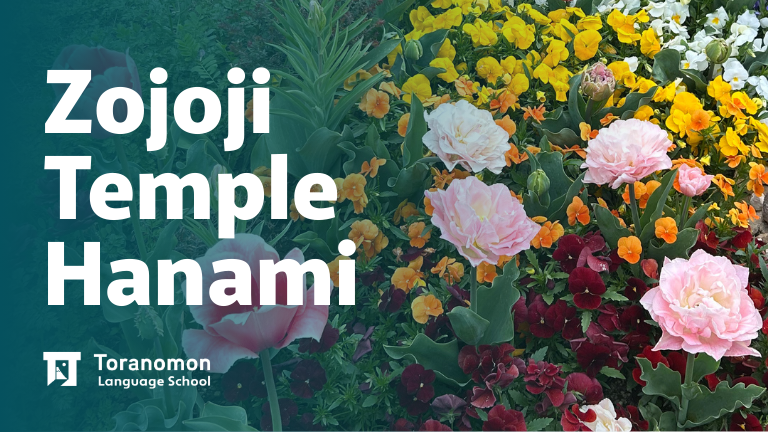
Discover how cherry blossoms, tea culture, and temple traditions come together in this immersive cultural walk at Zojoji Temple in Tokyo. Join us for a firsthand look at spring in Japan—and find out how you can be part of our future cultural learning events! Begin with Matcha and Mindfulness at Tera Cafe Shien Tucked within the grounds of Zojoji Temple, Tera Cafe Shien is a quiet gem where community, calm, and culture intersect. We started our morning with an arrangement of matcha drinks, strawberry dessert, and other seasonal treats. This peaceful tea experience invited participants to slow down, take in the temple surroundings, and learn about how tea is deeply […]
5 Hidden Cherry Blossoms Spots in Tokyo to Avoid the Crowds
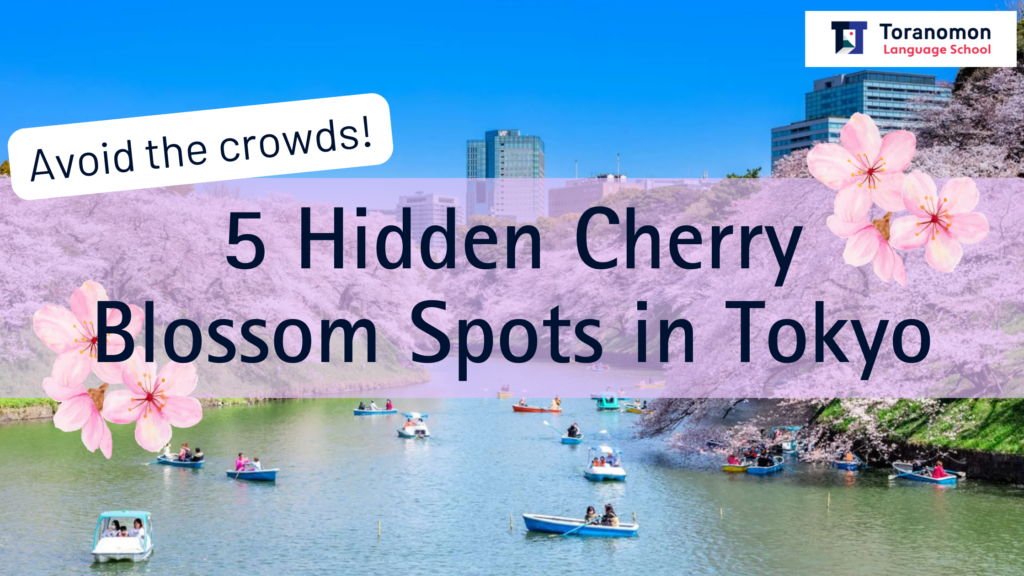
Enjoying Hanami Away from the Crowds Cherry blossom season in Tokyo is a breathtaking time of year, but popular hanami spots like Ueno Park and Shinjuku Gyoen often get overcrowded—making it difficult to fully enjoy the beauty of the sakura. If you’re looking for a more peaceful and relaxing hanami experience, there are plenty of lesser-known locations across the city where you can admire the cherry blossoms without the massive crowds. In this guide, we’ll introduce five hidden sakura spots where you can take in stunning views, enjoy a quiet picnic, and immerse yourself in the magic of spring without the stress of large crowds. These locations are perfect for […]
Japanese Dining Etiquette: Beginners to Advanced
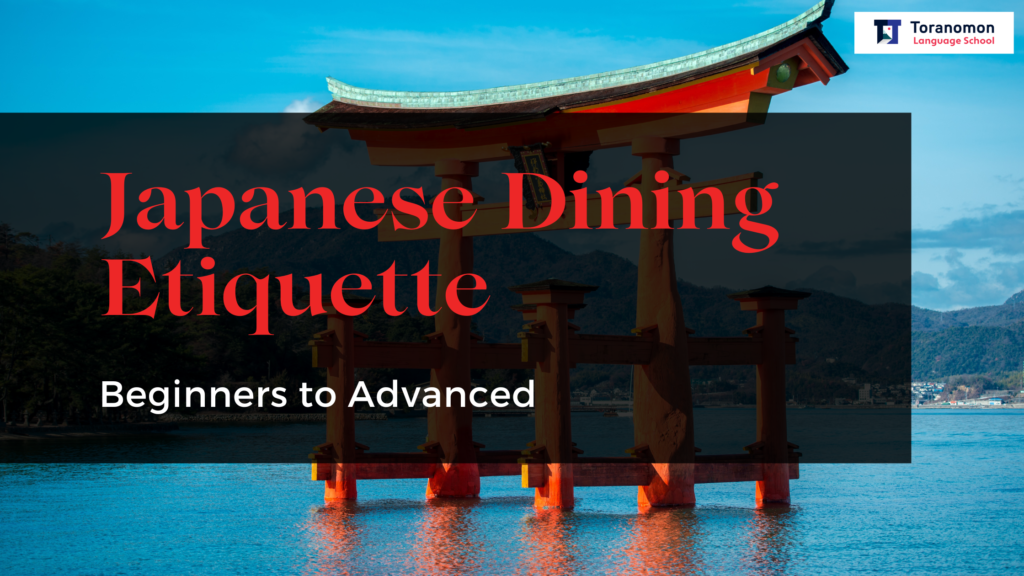
Dining in Japan is more than just enjoying a meal—it’s a reflection of deep-rooted cultural values such as respect, harmony, and gratitude. From the way food is served to how chopsticks are handled, every detail holds significance. Whether you’re eating at a casual ramen shop or attending a formal kaiseki dinner, understanding proper Japanese dining etiquette can help you navigate Japanese social settings with ease. While some rules are universal, others become more refined as your familiarity with Japanese customs grows. In this blog, we’ll break down Japanese dining etiquette into three levels: beginner, intermediate, and advanced. If you’re new to Japanese culture, we’ll cover the essential do’s and don’ts […]
The Unspoken Rules of Japanese Conversations
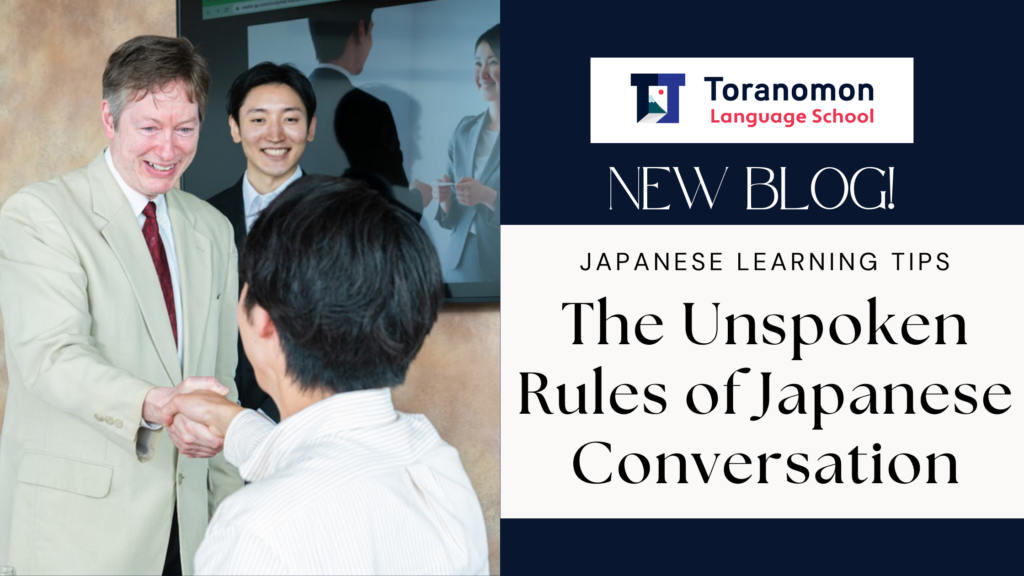
Have you ever had a conversation in Japanese where you walked away thinking, Did they just agree with me… or politely reject me? If so, you’re not alone! Japanese communication is filled with unspoken rules—subtle cues, indirect expressions, and cultural nuances that aren’t always obvious to learners. Unlike in English, where directness is often valued, Japanese conversations rely heavily on reading between the lines. A simple “yes” doesn’t always mean “yes,” silence can be a response in itself, and even your body language speaks volumes. Understanding these hidden rules is just as important as learning vocabulary and grammar. At Toranomon Language School, we know that mastering Japanese goes beyond textbooks—it’s […]