
Walk & Learn: Experiencing Japan’s National Sport — Sumo!
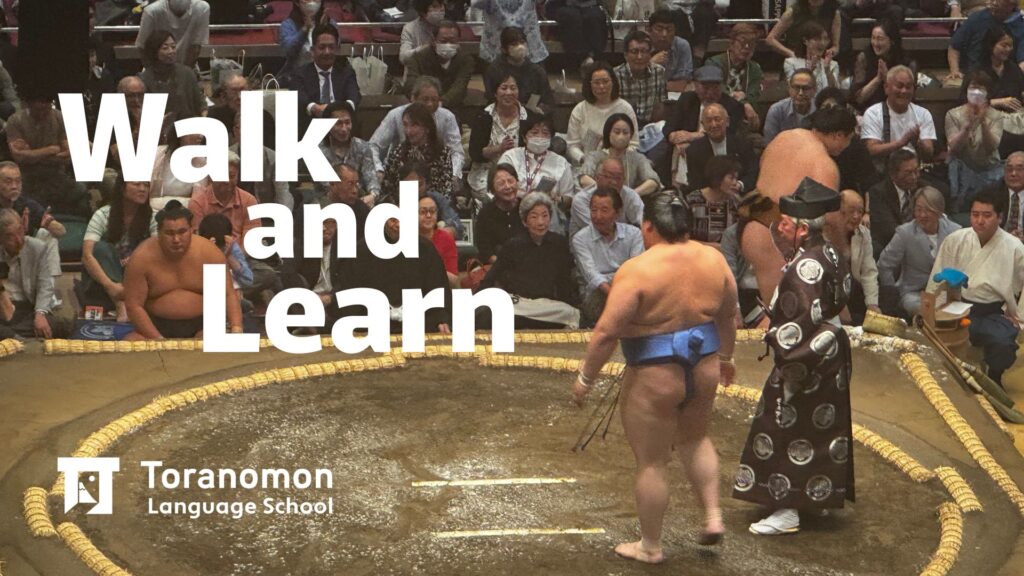
At Toranomon Language School, we believe that language learning doesn’t stop in the classroom — it happens in real life, too. Our Walk & Learn events are designed to help students experience Japanese language and culture firsthand, putting what they’ve learned into practice in real-world situations. Earlier this year, our students had the exciting opportunity to attend one of Japan’s most iconic cultural events: a professional Sumo tournament. A Day of Tradition, Excitement, and Language in Action From the moment we arrived at the arena, the energy was unforgettable. The smell of yakitori filled the air, the crowd buzzed with excitement, and the rhythmic sounds of taiko drums signaled the […]
The Many Ways to Say “Very” in Japanese
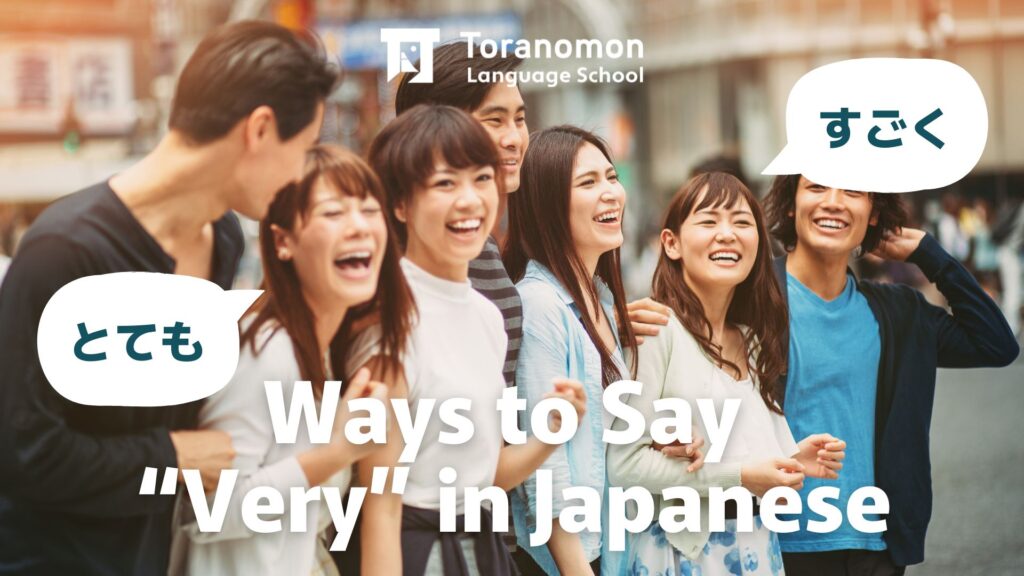
If you’ve been studying Japanese for a while, you’ve probably learned the word とても (totemo), one of the most common way to say “very.” But as you listen to real Japanese conversations, you might notice that people often use other words instead, such as: すごく (sugoku), めっちゃ (meccha), or 超 (chou). In Japanese there are several ways to say “very,” each carrying different nuances, levels of formality, and emotional tone. Understanding when and how to use them can help make your Japanese sound more natural and expressive. とても is the most standard and widely used way to say “very.” It works in both spoken and written Japanese and is appropriate […]
Common Mistakes of Newcomers to Japan and How to Avoid Them

Moving to Japan is an exciting experience, but it also comes with challenges that can be easy to overlook. Even simple daily tasks or social interactions can feel complicated without prior knowledge of local customs, etiquette, and language. Learning from the common mistakes of others can help you avoid misunderstandings and start your new life in Japan with confidence. Misunderstanding Social Norms Everyday Life Challenges Dining Etiquette Workplace Misunderstandings Start Confidently with the Right Guidance Avoiding these common mistakes is easier when you have practical language skills and cultural knowledge. Our Survival Kit course helps newcomers navigate daily life and workplace situations with confidence, while our Intensive Course accelerates learning […]
The Difference Between は and が Explained Simply
If you’ve started learning Japanese, chances are you’ve stumbled over は (wa) and が (ga). Even intermediate learners struggle with these two particles, because English doesn’t have a direct equivalent. Let’s break it down in a way that makes sense. は = Topic Marker Think of は as setting the stage of your sentence. It tells your listener, “This is what we’re talking about now.” Examples: が = Subject Marker が points out the specific subject that performs an action or is being described. It is often used when introducing new information or when you want to emphasize the subject itself. Examples: Comparing は and が Together A useful way […]
Top 100 Japanese Words Every Beginner Should Master
Learning Japanese can feel like a huge challenge at first, but the good news is that you don’t have to memorize thousands of words right away. Starting with the most common and useful vocabulary will give you the foundation you need to begin speaking and understanding daily conversations. To help you on your journey, we’ve compiled 100 essential Japanese words every beginner should know, broken down into categories. 1. Greetings & Basics 2. People & Pronouns 3. Numbers & Time 4. Common Verbs 5. Daily Life Words 6. Food & Drinks 7. Places & Nature 8. Adjectives & Descriptions 9. Question Words 10. Handy Expressions Final Thoughts By mastering these […]
Kanji Radicals Explained: The Building Blocks of Japanese
If you have started learning kanji, you may have noticed that many characters share familiar parts. These repeating elements are called radicals (部首 “bushu”), and they are one of the most powerful tools for understanding and remembering kanji. By learning radicals, you unlock patterns that make kanji study easier, faster, and much less overwhelming. What Are Radicals? Radicals are the basic components that make up kanji. Think of them like the “alphabet” pieces inside more complex characters. Each radical usually carries its own meaning or theme. For example, the radical for “water” (氵) appears in kanji related to liquids, like 海 (umi, ocean) and 酒 (sake, alcohol). There are around […]
Nomikai: What to Expect and How to Prepare

For many professionals in Japan, the nomikai (drinking party) is as much a part of the workplace as the office itself. While not officially mandatory, these gatherings are deeply ingrained in Japanese work culture and often provide opportunities to strengthen relationships, build trust, and connect with colleagues in a more relaxed setting. For foreign professionals, understanding how nomikai work can make them less intimidating and much more rewarding. What to Expect at a Nomikai How to Prepare for a Nomikai Preparation begins with knowing your own limits. It is perfectly acceptable to pace yourself and to opt for non-alcoholic drinks if you prefer. Learning a few key Japanese phrases for […]
Working in Japan as a Student

Studying in Japan is an incredible opportunity to experience a new culture, strengthen your language skills, and expand your career prospects. For many international students, working part-time is also a way to support living expenses and gain real-world experience. Before diving in, it’s important to understand the rules, opportunities, and challenges that come with part-time work in Japan. Legal Basics International students in Japan are allowed to work part-time, but only under certain conditions. You must first apply for a Permission to Engage in Activity Other Than That Permitted by the Status of Residence (資格外活動許可). This permit allows you to work up to 28 hours per week during the school […]
Building Your Professional Network in Japan

In Japan, career growth is as much about who you know as what you know. While skills and qualifications are important, strong professional relationships can open doors to new opportunities, industry insights, and long-term collaborations. For foreign professionals, understanding how to build a network in Japan requires a mix of cultural awareness, communication skills, and strategic effort. Understanding Networking in a Japanese Context In many Western countries, networking often happens through casual, direct conversations at events. In Japan, however, relationships tend to develop gradually and are built on trust over time. First impressions matter, but the real strength of a network comes from consistent, respectful interaction. Building rapport might require […]
Attending Career Fairs and Job Seminars as a Foreigner in Japan

For foreigners seeking employment in Japan, career fairs and job seminars can be valuable entry points into the job market. These events offer more than just a chance to submit your resume; they are opportunities to engage directly with companies, better understand expectations, and build connections that can lead to future opportunities. Why Career Fairs Matter Japan’s recruitment culture still heavily values in-person interaction, even as online applications become more common. Career fairs allow job seekers to make an impression beyond a paper CV. For foreigners, these events also offer a chance to assess how open a company might be to hiring non-Japanese staff. Many job fairs in Japan are […]